
The Click-Driven Economy
How Online Habits Rule Modern Marketing
Remember when buying online used to be a “backup plan”? Now, it’s our default. From groceries to gadgets—everything’s digital. During the COVID-19 pandemic, consumer behavior was forced to rapidly shift online. We went from brick-and-mortar shopping and phone calls to ordering groceries via apps, connecting with friends on Zoom, and even attending school and work from home. This abrupt pivot not only changed how we live but also how we spend and engage with brands. According to a 2025 Deloitte Insights report, over 70% of consumers now prefer digital-first interactions, expecting faster responses and more personalized experiences. This shift didn’t just change how people shop—it changed how businesses think, market, and build trust. In this blog post, we’ll explore what this digital transformation means for modern marketing, highlighting key data, case studies, and research findings.
What Changed After the Pandemic
The COVID-19 pandemic acted as a catalyst for a dramatic acceleration of digital adoption. McKinsey’s 2022 research found that digital adoption in consumer behavior leaped five years forward in just eight months. In other words, the pandemic compressed several years of technological progress into a few short months. Online shopping, which was already on the rise, saw a meteoric surge as people sought contactless alternatives. Credit and debit card data revealed a nearly 20% increase in online spending since January 2020, and this pandemic-induced surge in e-commerce was no hiccup. The digital future is here to stay. Some 92% of consumers who tried online shopping in 2019 became converts, cementing an emergency response into an indispensable habit. E-commerce also redefined convenience, with even traditionally tactile shopping experiences such as grocery shopping enjoying a notable surge.
This rapid digitalization created a “new normal” where convenience, speed, and personalization drive consumer loyalty. Consumers who were once hesitant to buy online now expect it. For example, grocery delivery, which was niche before the pandemic, became a mainstream necessity. In the U.S., e-commerce now accounts for 16.1% of all retail sales, up from 11.8% in early 2020. This trend is likely to stick, even as brick-and-mortar stores open their doors again. Online shopping has truly advanced to become an integral part of the consumer experience. As one industry expert noted, “Online shopping has really advanced. This is very obvious in China, where the digital experience for shoppers and online integration is extremely advanced. With everyone stuck at home, there has been a lot more focus on online systems, advertising and delivery from the corporate side and this will reinforce the push to shopping online”. The shift is global: consumers worldwide embraced digital channels, from e-commerce sites to social media and messaging apps, to stay connected and make purchases. McKinsey’s analysis of consumer sentiment surveys shows that, five years post-pandemic, many of these behaviors remain entrenched. Globally, consumers still spend their time and money differently than they did five years ago. They’re more intent on immediate gratification and convenience and have a higher focus on self than before. In short, the pandemic forced a fundamental change in how consumers interact with brands and each other—one that has reshaped the marketing landscape forever.

The Rise of the Online-
First Consumer
In the post-pandemic era, consumers have become more informed, selective, and demanding. Most begin their shopping journeys online—reading reviews, comparing prices, and expecting seamless omnichannel experiences. According to Deloitte, 57% of buyers abandon purchases due to poor digital experiences. Traditional marketing alone no longer works; businesses must deliver consistent, frictionless engagement across all touchpoints.
Today’s consumers expect instant, personalized interactions. Brands are investing in AI tools like chatbots and virtual assistants to provide 24/7 support and real-time engagement. Personalization has become a key differentiator—65% of customers consider it crucial to their experience and are willing to pay up to 25% more for personalized services. Using data from purchases, browsing history, and social media, companies now tailor ads, recommendations, and offers to individual preferences.
A McKinsey study found that 75% of consumers adopted new shopping behaviors during the pandemic, and 39% switched brands seeking better value or convenience. This shift underscores that personalization and convenience are no longer optional—they’re essential for customer loyalty and competitiveness.
How Businesses Are Adapting
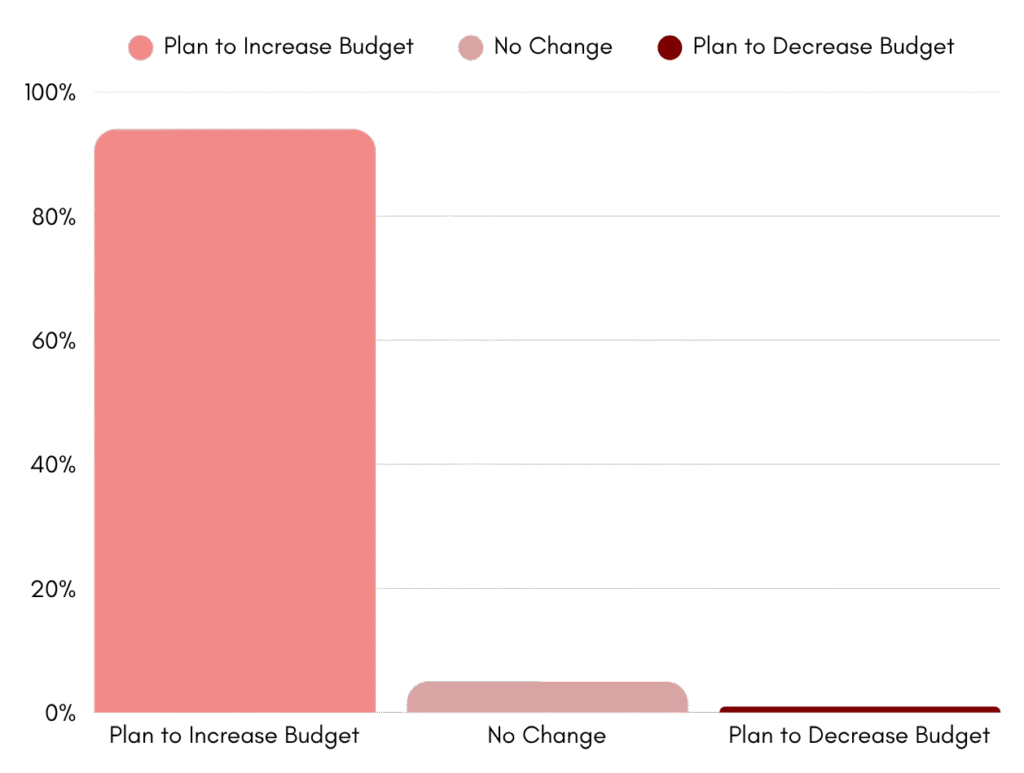
Businesses have rapidly responded to these changes by investing in digital marketing and customer experience. Digital marketing budgets have surged, reflecting the importance of reaching consumers online. In fact, digital marketing budgets increased by 21% globally in 2024, according to a 2024 MDPI study. Companies are rethinking how they connect with audiences—leveraging SEO, social media storytelling, influencer partnerships, and data-driven campaigns to engage consumers in the digital space. The following chart illustrates the substantial increase in digital marketing budgets in 2024.
Challenges Businesses Still Face
While the digital shift has opened vast opportunities, it also brought major challenges for businesses. Consumers now expect instant responses and personalized interactions—slow or generic service can drive them away. To meet these demands, companies are investing in AI tools and chatbots to deliver prompt, 24/7 support.
Data privacy and security are also critical. As customers share more personal information, they expect brands to safeguard it. Any misuse or breach can quickly destroy trust. Compliance with data protection laws like the GDPR is not only a legal duty but also key to maintaining credibility and confidence.
Another challenge is digital fatigue. With constant online ads and content, consumers—especially younger generations—are becoming more selective. A 2025 Deloitte survey found that 56% of Gen Z and 43% of millennials find social media content more relevant than traditional TV or film. This shift underscores the need for authentic, value-driven engagement.
To stand out, brands must focus on storytelling and authenticity rather than constant advertising. Content that educates, entertains, or solves problems builds trust and authority. Many successful brands now collaborate with micro-influencers or leverage user-generated content (UGC) to create genuine connections.
In essence, the digital era has empowered consumers but raised the bar for businesses. Meeting expectations for speed, privacy, and authenticity is challenging—but those that adapt with customer-centric, tech-enabled strategies will thrive in the post-pandemic marketplace.
The post-pandemic world didn’t just change how we shop—it redefined what customers value. Convenience, personalization, and authenticity are the new cornerstones of commerce. Businesses that understand and adapt to these digital habits aren’t just surviving; they’re thriving in a marketplace that is increasingly mobile-first and data-driven.
“If your business wants to stay ahead in the digital-first economy, now’s the time to align your marketing, automation, and customer experience strategies. Understand your digital consumer—and you’ll understand the future of business.”
At DBPSC Global Solutions, we help businesses like yours stay competitive in the digital landscape. Our skilled Virtual Assistants provide the support you need to manage marketing operations, customer engagement, and administrative workflows efficiently—allowing you to focus on innovation and growth.
Visit DBPSC Global Solutions to discover how a strategic VA partnership can elevate your business performance and strengthen your digital presence.
Contact Us
Please fill out the form below to get in touch.